

CRRCS Advocate Pathway Program
Micro-Learning Series: Foundations of Victim Advocacy in Rural Communities
June 9, 2026 to July 30, 2026
Duration: 8 Weeks (24 hours total) - June 9, 2026, to July 30, 2026
Schedule: 3 hours per week - Tuesdays and Thursdays 5:30 pm to 7:00 pm
Format: In-person at CRRCS Community Office
Cost: Free
Registration Requirement: Must be over the age 21 and have an Arizona Level I Fingerprint Clearance Card
Completion Criteria
Participants must:
Attend at least 7 of 8 sessions
Complete all core assignments
Complete all skills-based evaluations
Participants who meet these criteria will receive a Certificate of Completion and may be considered for volunteer or employment opportunities.
Tues. June 9: 5:30p - 7:00p
Focus Session and Foundational Learning
Thurs. June 11: 5:30p - 7:00p
Skill Development
Week 1: Foundations of Domestic Violence

Week 1 establishes the foundation for advocacy work by introducing participants to the role of the advocate, CRRCS services, and core concepts related to domestic violence and power and control. Tuesday sessions focus on instruction and foundational learning, while Thursday sessions emphasize skill development through guided scenarios, case analysis, and practical application.
Tues. June 16: 5:30p - 7:00p
Focus Session and Foundational Learning
Thurs. June 18: 5:30p - 7:00p
Skill Development
Week 2: Foundations of Sexual Violence

Week 2 builds on foundational advocacy knowledge by introducing participants to sexual violence, consent, coercion, and survivor-centered response. Participants explore common trauma responses, myths and misconceptions, and the advocate’s role in responding to disclosures without judgment or investigation. Tuesday sessions focus on instruction and foundational learning, while Thursday sessions provide opportunities to work through realistic situations using discussion, scenarios, and applied critical thinking.
Tues. June 23: 5:30p - 7:00p
Focus Session and Foundational Learning
Thurs. June 25: 5:30p - 7:00p
Skill Development
Week 3: Trauma, ACEs, and Survivor-Centered Practice

Week 3 focuses on understanding trauma, Adverse Childhood Experiences (ACEs), and survivor-centered advocacy. Participants learn how trauma impacts the brain, influences behavior, and shapes responses to crisis and services. This week emphasizes recognizing trauma responses, avoiding judgment, and responding through a trauma-informed lens. Tuesday sessions focus on instruction and building understanding of trauma concepts, while Thursday sessions center on analyzing behaviors, interpreting complex situations, and practicing trauma-informed advocacy responses.
Tues. June 30: 5:30p - 7:00p
Focus Session and Foundational Learning
Thurs. July 2: 5:30p - 7:00p
Skill Development
Week 4: Meeting Basic Needs & Stabilization

Week 4 focuses on meeting basic needs and supporting stabilization during crisis situations. Participants learn how advocates assess immediate needs, prioritize safety and survival concerns, and respond within the realities of available services and rural barriers. This week emphasizes thoughtful prioritization, realistic problem-solving, and maintaining professional boundaries while supporting individuals in crisis. Tuesday sessions focus on understanding stabilization and service response, while Thursday sessions involve working through layered scenarios to practice prioritization, resource navigation, and advocacy decision-making.
Tues. July 7: 5:30p - 7:00p
Focus Session and Foundational Learning
Thurs. July 9: 5:30p - 7:00p
Skill Development
Week 5: Hotline Response, Crisis Intervention & Safety Planning

Week 5 focuses on hotline response, crisis intervention, and safety planning. Participants learn how to respond to crisis calls using active listening, risk assessment, and survivor-centered communication while maintaining calm and professionalism. This week emphasizes recognizing different types of crisis, responding appropriately under pressure, and understanding safety planning as an individualized and ongoing process. Tuesday sessions focus on developing crisis response knowledge and communication techniques, while Thursday sessions emphasize responding to realistic hotline and crisis scenarios through guided analysis and practical skill development.
Tues. July 14: 5:30p - 7:00p
Focus Session and Foundational Learning
Thurs. July 16: 5:30p - 7:00p
Skill Development
Week 6: Capacity Coaching & Survivor Self-Scoring

Week 6 focuses on Capacity Coaching and supporting long-term stability beyond immediate crisis. Participants learn how survivor-centered goal setting, self-scoring, and individualized planning support growth across multiple life domains. This week emphasizes the advocate’s role in encouraging progress without taking control, recognizing that change is not always linear and that survivors define their own goals and success. Tuesday sessions focus on understanding the Capacity Coaching model and survivor self-scoring, while Thursday sessions provide opportunities to explore engagement, barriers, and long-term support strategies through case-based learning and guided reflection.
Tues. July 21: 5:30p - 7:00p
Focus Session and Foundational Learning
Thurs. July 23: 5:30p - 7:00p
Skill Development
Week 7: Documentation, Confidentiality (VAWA/HIPAA), Ethics & Professional Boundaries

Week 7 focuses on documentation, confidentiality, ethics, and professional boundaries. Participants learn the importance of objective documentation, protecting client information under VAWA and applicable HIPAA considerations, and maintaining ethical and professional standards in advocacy work. This week emphasizes accountability, role clarity, and the responsibility advocates have to protect both client trust and agency integrity. Tuesday sessions focus on confidentiality requirements, documentation standards, and ethical practice, while Thursday sessions involve examining real-world boundary challenges, confidentiality dilemmas, and professional decision-making through scenario-based learning.
Tues. July 28: 5:30p - 7:00p
Focus Session and Foundational Learning
Thurs. July 30: 5:30p - 7:00p
Skill Development
Week 8: Systems Collaboration, Legal Processes & Advocate Readiness
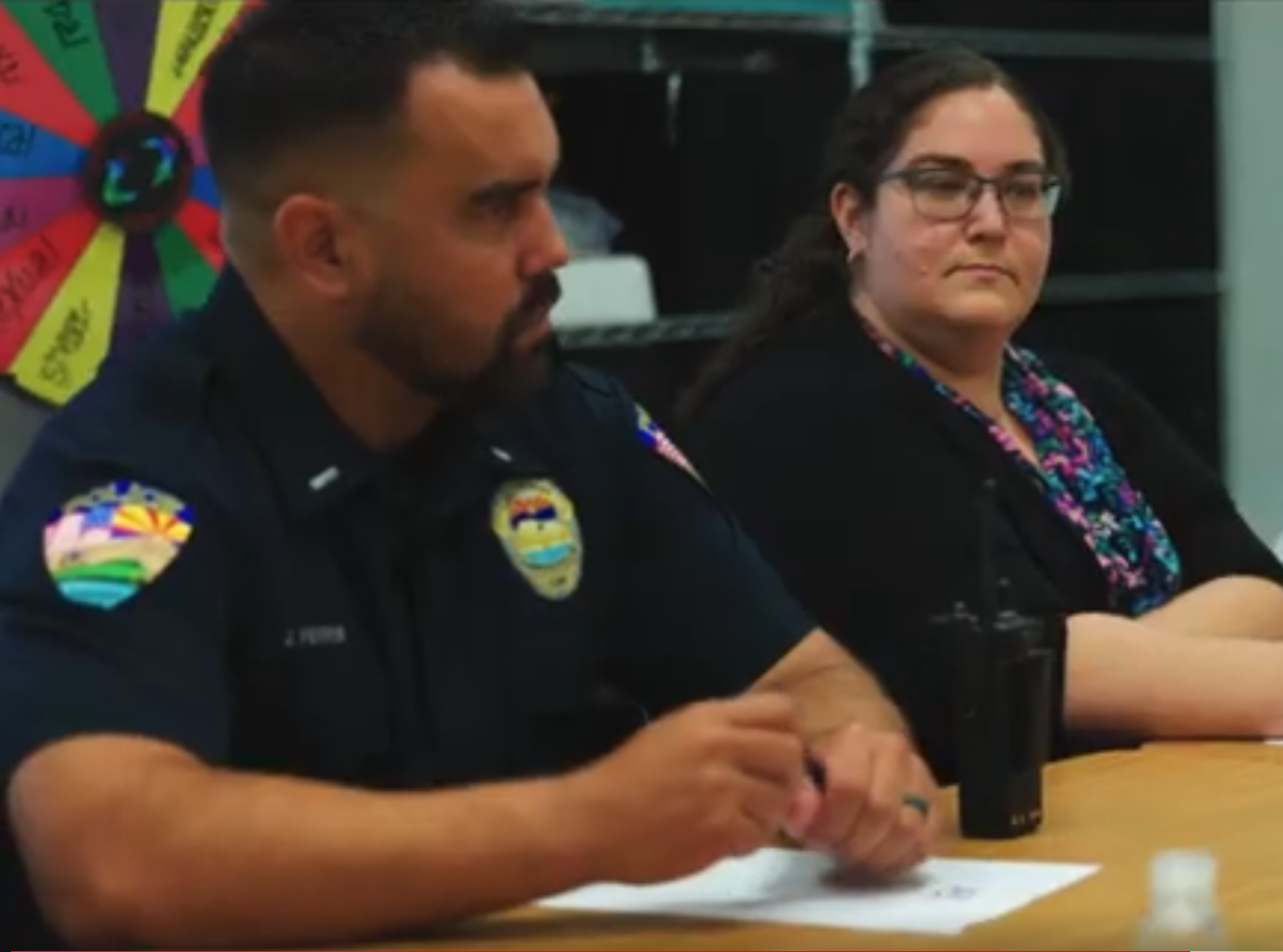
Week 8 focuses on systems navigation and advocate readiness. Participants learn how advocates work within legal, medical, behavioral health, and community systems while maintaining survivor-centered practice and clear professional boundaries. This week emphasizes role clarity, collaboration, and preparing participants to navigate complex situations without overstepping their role or compromising confidentiality. Tuesday sessions focus on understanding system partnerships and the advocate’s role within them, while Thursday sessions concentrate on integrating knowledge, evaluating decision-making, and preparing for real-world advocacy through applied scenarios and guided reflection.

2026
Parker, AZ
CRRCS Advocate Pathway Program →
To Register for the Advocate Pathway Program:
Call 928-669-8620
“Change begins with people willing to learn. This series is designed to build the knowledge, confidence, and practical skills needed to support others through crisis, healing, and hope.”
Colorado River Regional Crisis Services